Basement Drainage Solutions
Basement Drainage Solutions Grand Rapids MI That Keep Your Floor Dry
Basement Drainage Solutions Grand Rapids MI means moving water away from your foundation before it ever reaches the floor. We install and repair interior drain tile, exterior footing drains, sump pits, and discharge lines for homes across Kent County. If your basement smells musty after a spring storm or your sump pit runs every 90 seconds, we find the source and fix it. Same-day basement drainage solutions Grand Rapids are available most weeks, and every job starts with a free on-site look at your actual water problem.
Service overview
Basement Drainage Solutions Grand Rapids MI: What We Actually Do
Basement Drainage Solutions Grand Rapids MI is the work of collecting groundwater, storm seepage, and hydrostatic pressure and routing it away from your foundation instead of letting it sit against the wall. That means interior drain tile set in gravel below the slab, a properly sized sump pit liner, a submersible pump with a float switch, a check valve, and a discharge line that exits above grade. We also install exterior footing drains and window well drains when the problem starts outside. Every system we build follows the Michigan Residential Building Code and Michigan Plumbing Code for slope, discharge location, and backfill.
Grand Rapids sits on heavy clay and glacial till, so water does not soak away the way it does in sandy parts of the state. Add 30-plus inches of annual rain, rapid snowmelt in March, and 100-year-old homes in Heritage Hill and Eastown with stone or block foundations, and you get basements that weep, puddle, and flood. Homeowners call us after a frozen discharge line backs up in January or a stuck float switch quits during a July storm. If you have been searching for basement drainage solutions near me Grand Rapids MI, the fix is usually a combination of interior drainage, a reliable pump, and a discharge path that stays clear year-round.
Practical benefits
Why Grand Rapids Homeowners Install Drainage Systems
A working drainage system protects the structure of your home, not just the floor. Here is what changes once water has somewhere to go.
Stop Repeat Flooding
A correctly sized interior drain and sump system moves 2,000 to 4,000 gallons per hour during a heavy storm. That is enough to keep up with the worst July downpour in Kent County. Instead of mopping every spring, you get a dry floor and a pump that cycles only when it should.
Protect Foundation Walls
Hydrostatic pressure pushes against block and poured walls until they crack, bow, or spall. Relieving that pressure with footing drains and interior tile removes the force, not just the puddle. We have seen walls in Alger Heights stop moving once the water was redirected.
Cut Indoor Humidity
A damp basement raises whole-house humidity, which feeds mold and makes upper floors feel clammy. Once drainage is fixed and the slab dries, most homes drop 10 to 15 percent relative humidity without a dehumidifier running constantly. That also protects stored furniture and mechanical equipment.
Raise Usable Square Footage
A dry basement is a finished basement waiting to happen. Families in Creston and West Grand routinely convert the space into a bedroom, office, or gym after drainage work is done. You gain usable square footage without adding on to the house.
How service works
How Our Drainage Installation Process Works
Every job follows the same five steps, whether it is a single sump pit repair or a full interior and exterior drainage package. You know what happens and when.
STEP 01
On-Site Evaluation
We walk the basement, check the sump pit, test the pump, and look at exterior grading and downspouts. An inspection camera goes into the discharge line to check for clogs or crushed pipe. You get a written scope and a flat price before we start. Most evaluations take 45 to 60 minutes.
Tools and methods
Tools and Methods We Use
Inspection Camera
We run a camera through discharge lines and footing drains to find clogs, crushed pipe, and root intrusion before we dig. It saves time and avoids unnecessary excavation.
Multimeter
We test pump amp draw, float switch continuity, and capacitor function. This tells us whether a pump needs repair or replacement instead of guessing.
Ridgid and Milwaukee Tools
Concrete saws, hammer drills, and pipe wrenches handle slab cutting, pit installation, and discharge line work. Reliable tools mean cleaner cuts and faster job completion.
Zoeller and Liberty Pumps Equipment
We stock and install Zoeller and Liberty Pumps submersible units, float switches, and check valves. These brands hold up in Grand Rapids clay and high-water-table conditions.
Basement Watchdog Backup Systems
Battery backup and water-powered backup systems keep the pit empty during power outages. We install and repair Basement Watchdog and Glentronics units.
PVC Pipe and Fittings
Schedule 40 PVC is used for discharge lines because it handles freeze-thaw cycles and UV exposure. We slope every run for full drainage and seal joints to prevent leaks.
Michigan Residential Building Code Compliance
We follow state code for drain tile slope, gravel bed depth, pit sizing, and discharge location. Permits are pulled where Grand Rapids requires them. Code-correct work protects you at resale and keeps your insurance valid.
National Electrical Code Wiring
Pump circuits are dedicated, GFCI-protected, and sized to the motor. We check the existing circuit before install and correct any issues. This prevents tripped breakers and pump failures during storms.
Three-Cycle Pump Testing
Every system gets filled and cycled three times to confirm the float switch, check valve, and discharge line work together. We watch amp draw on each cycle. If anything is off, we fix it before we leave.
Discharge Flow Testing
We measure how fast the discharge line clears a full pit. A slow line means a clog or bad slope, and we correct it on the spot. This is the test that catches problems before the next storm.
Where this service fits
When Grand Rapids Homeowners Call Us
A finished basement in Ottawa Hills gets water at the base of one wall after every heavy rain.
We install interior drain tile along the affected wall and tie it into the existing sump pit, then add a high-water alarm. The concrete is cut, pipe set in gravel, and the slab repoured. The work takes two days. The wall stays dry through spring storms, and the alarm gives the homeowner warning if the pump ever fails. The finished space is usable again.
A 1920s home in Heritage Hill has a stone foundation and a sump pit that overflows during March snowmelt.
We replace the undersized pump with a 1/2 HP submersible unit, install a new pit liner, and add a battery backup. The discharge line is rerouted above grade with a freeze-resistant termination. The pit stays empty through snowmelt and summer storms, and the backup covers power outages. The homeowner avoids a repeat of last year's flood.
A rental property near Campau Park has a sump pump that runs every few minutes and a musty smell.
We find a failed check valve letting water drain back into the pit. We replace the valve, clean the impeller, and flush the discharge line. A quick pit cleaning removes the sediment causing the smell. The pump cycles normally, the smell is gone, and the landlord avoids a tenant complaint. The repair takes under two hours.
A homeowner in Plymouth Heights is finishing the basement and wants drainage addressed before drywall goes up.
We install interior drain tile, a new sealed pit, a submersible pump, and a battery backup before framing begins. The discharge line is routed through the rim joist and tested for flow. The finished basement stays dry, and the homeowner saves the cost of tearing out drywall later. The system is ready before the first storm.
Local execution
How Basement Drainage Works in Grand Rapids
Grand Rapids gets about 38 inches of rain and 75 inches of snow a year, and the ground here is heavy clay that drains slowly. That combination means water sits against foundations longer than it would in sandy soil. Spring snowmelt in March and April is our busiest season, followed by summer thunderstorms that dump an inch in an hour. Older neighborhoods like Heritage Hill, Eastown, and Baxter have stone or block foundations with original footing drains that are often collapsed or clogged. Newer builds in Caledonia and Ada tend to have poured walls and working drains, but grading and downspout issues still cause problems. We size every system for the local water table and route discharge lines so they do not freeze in January. If you are comparing basement drainage contractor Grand Rapids options, ask whether they test the discharge line and pull permits. We do both.
Heritage Hill
Stone foundations and original footing drains mean we often combine interior tile with exterior repairs. Water tables here rise fast in spring.
Alger Heights
Post-war homes with poured walls and shallow pits. Many need pit replacement and a larger pump to handle storm volume.
Creston
Mature trees drop roots into footing drains and discharge lines. We camera the lines and clear or reroute as needed.
Campau Park
Dense housing stock with older drainage systems. Check valve and float switch failures are common calls here.
Heavy clay soil that sheds water instead of absorbing it
Water runs toward foundations instead of soaking away, so interior drain tile and proper grading matter more here than in sandy regions.
Spring snowmelt and rapid thaw cycles
Pits fill fast in March and April. We size pumps for peak melt volume, not average flow, so the system keeps up.
Freeze-thaw cycles that crack discharge lines
Discharge lines must slope fully and terminate above grade. We use freeze-resistant terminations and check them each fall.
High water table near the Grand River
Homes close to the river see constant seepage, not just storm-related water. These systems often need a larger pit and a backup pump.
Problems we solve
Basement Water Problems We Solve in Grand Rapids
Most Grand Rapids drainage calls come down to a handful of familiar failures. Here is what we see and how we fix it.
Sump pump runs constantly or will not turn on
We test the float switch, check valve, and amp draw with a multimeter. If the switch is stuck or the valve is leaking back, we replace it the same day. If the pump is undersized for your water volume, we quote a correctly sized submersible unit. A pump that short-cycles burns out its motor in months, and one that stays off floods the basement during the next storm. Both point to a float switch, check valve, or sizing problem.
Water seeping at the base of the wall after rain
Interior drain tile relieves the pressure at the base of the wall and routes water to the sump pit. We cut the slab, install perforated pipe in gravel, and tie it into a sealed pit. Most systems stop seepage immediately after the concrete cures. Hydrostatic pressure pushes water through the cove joint and cracks. Left alone, it erodes the slab, feeds mold, and eventually moves the wall. This is the most common call we get in Kent County.
Frozen or clogged discharge line in winter
We thaw or replace the frozen section, reroute the line with proper slope, and install a freeze-resistant termination above grade. An inspection camera confirms the line is clear before we close up. We also check exterior grading and downspouts. When the discharge line freezes, the pump cannot move water and the pit overflows. A clogged line does the same thing in summer. Both can burn out the motor in a single storm.
Cracked pit liner or crumbling concrete pit
We repair or replace the pit liner, reseal penetrations, and set the new liner in washed gravel. The pit is tested to confirm it holds water. If the pump is worn, we replace it at the same time to save a second visit. A failing pit lets groundwater seep in around the pump and undermines the liner. Sediment builds up, clogs the impeller, and shortens pump life. Older Grand Rapids homes often have original concrete pits.
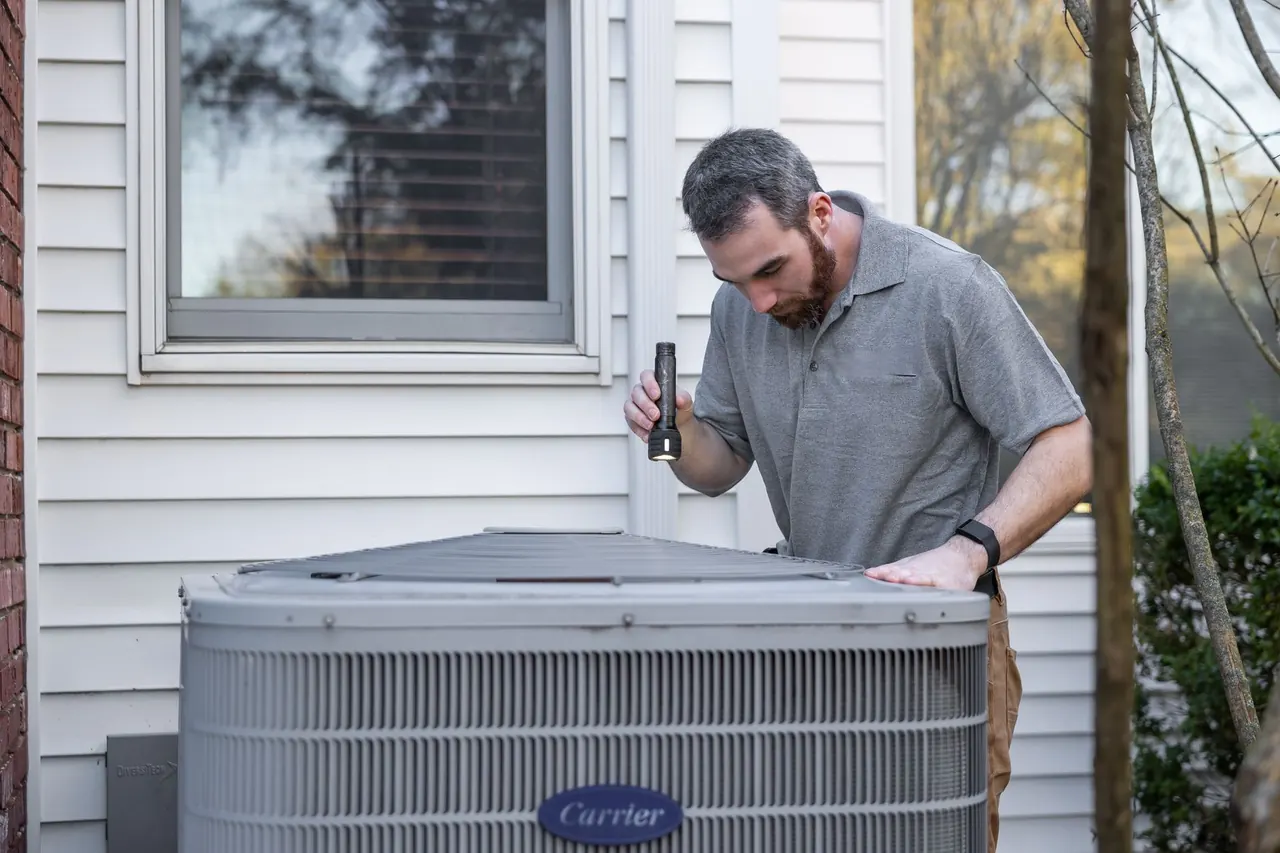
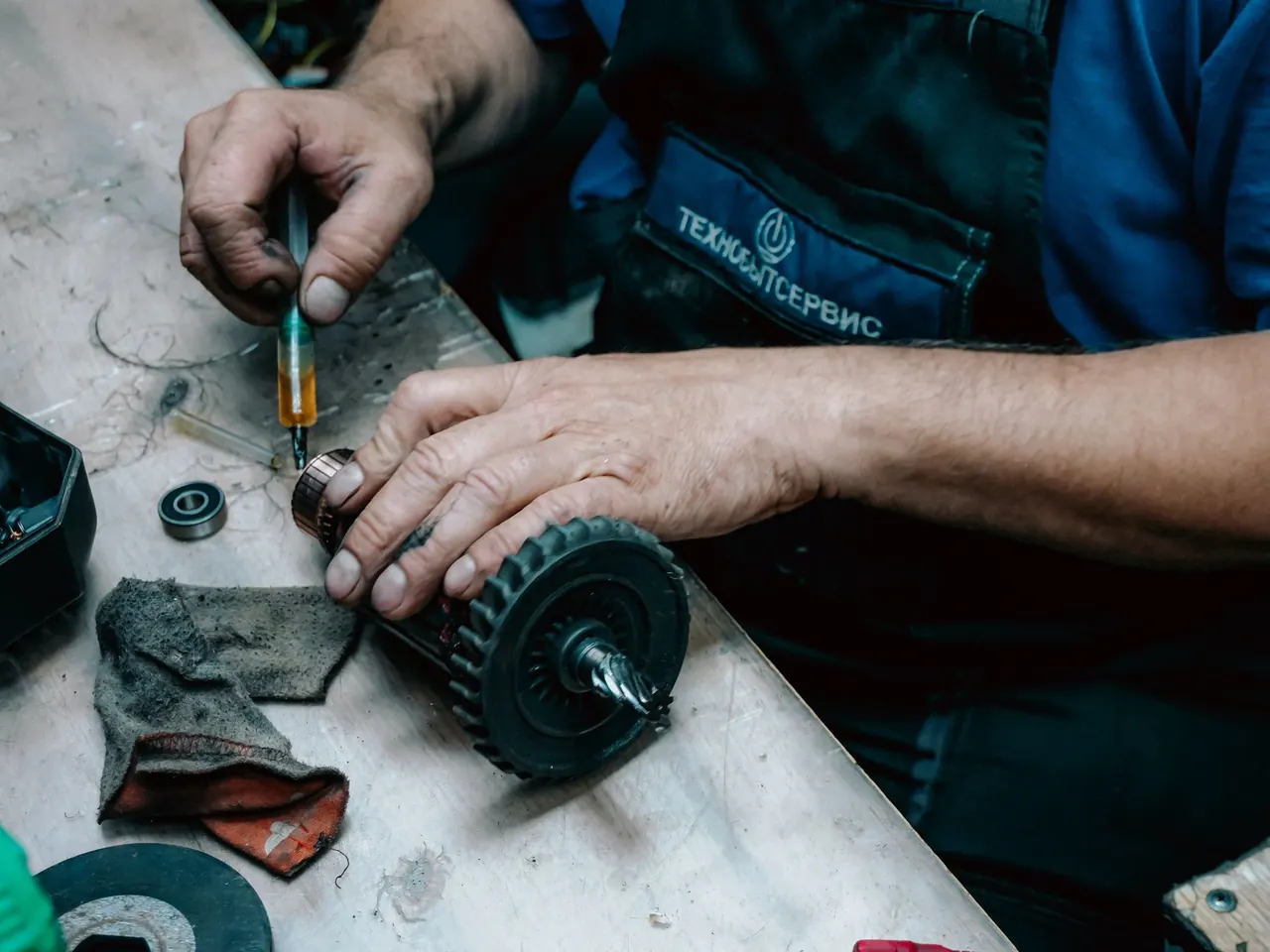
A practical standard for every visit.
Clear planningPrepared arrivalsCareful workLocal follow-through
Experience in the details
11 Years of Drainage Work in Kent County
The Sump Pump Experts has been installing and repairing basement drainage systems in Grand Rapids since 2015. In 11 years we have worked on stone foundations in Heritage Hill, poured walls in Ottawa Hills, and walkout basements in Plymouth Heights. Our technicians are trained on Zoeller, Liberty Pumps, Wayne, Little Giant, and Basement Watchdog equipment, and we hold manufacturer certifications for submersible and battery backup systems. We pull local permits when the job requires them and work to the Michigan Residential Building Code and National Electrical Code on every install. That experience means we have already seen your problem, or one close to it.
- 11 years serving Grand Rapids and Kent County homeowners since 2015
- Manufacturer-certified on Zoeller, Liberty Pumps, and Basement Watchdog systems
- Licensed plumbing contractor and insured for residential drainage work
- Trained on Michigan Residential Building Code and National Electrical Code requirements
- Thousands of sump pit, drain tile, and discharge line jobs completed locally
Where we work
One local team. A lot of ground covered.
Downtown Grand RapidsHeartsideHeritage HillEastownEast HillsCherry HillMidtownWealthy StreetCrestonBelknap LookoutWest GrandWest Side
Check my address Notes from local customers
What Grand Rapids Homeowners Say
Our 1920s basement flooded every spring. The Sump Pump Experts installed interior drain tile and a new Zoeller pump with a battery backup. They cut the slab, ran the discharge above grade, and tested everything three times. We have had two heavy storms since and the floor is bone dry. Worth every dollar.
Our sump pump was running every 90 seconds and the check valve was bad. They came out same day, replaced the valve and float switch, and showed me the old parts. The pump now cycles normally and the noise is gone. Fair price and no upsell.
We finished our basement and then started getting water at the base of one wall. They found a crushed discharge line and a cracked pit liner. Repaired both in one visit and added a high-water alarm. No water since, and they explained how to keep the discharge clear in winter.
Most interior drainage systems run $3,500 to $7,500 installed in 2026, and a sump pump replacement alone is $450 to $1,200. Exterior footing drains cost more because of excavation, often $8,000 to $15,000. The biggest cost drivers are linear feet of drain tile, whether concrete needs to be cut, and the pump and backup you choose. We give you a flat written price after the on-site evaluation.
Grand Rapids sits on heavy clay that sheds water instead of absorbing it, so rain and snowmelt run toward your foundation. Add aging block or stone walls in older neighborhoods and a water table that rises in spring, and water finds the path of least resistance. Clogged footing drains, short downspouts, and a failed check valve make it worse. We diagnose the actual source before recommending work.
A standard interior drain and sump system takes one to two days. If we cut and repour concrete, add a day for curing. Exterior footing drains run two to three days because of digging and backfill. Battery backup or water-powered backup installation adds two to three hours. We schedule most jobs within one to two weeks of your estimate.
For most Grand Rapids homes, interior drain tile tied to a submersible sump pump with a battery backup is the best combination. It handles hydrostatic pressure, works year-round, and keeps the discharge above grade. Homes with severe exterior water problems sometimes need footing drains too. We size the pump to your square footage and water volume, usually 1/3 to 1/2 HP.
Keep exploring
Related Sump Pump and Drainage Services
Your next step is waiting
Get Basement Drainage Solutions Grand Rapids MI Homeowners Trust
We have kept Grand Rapids basements dry since 2015, and we back our workmanship for one year. Call now for a free on-site evaluation and a flat written price. Same-day emergency service is available most weeks.
Start with the basics
Contact The Sump Pump Experts
Call us at +16166168292 or email [email protected]. We answer the phone during business hours and return after-hours messages first thing the next morning. If your basement is flooding, call, do not email. We serve Grand Rapids and Kent County with same-day service on most calls.