Why is my sump pump running constantly in Grand Rapids?
A sump pump that runs nonstop in Grand Rapids usually means a stuck float switch, a failed check valve, or a water table that never dropped after the last rain.
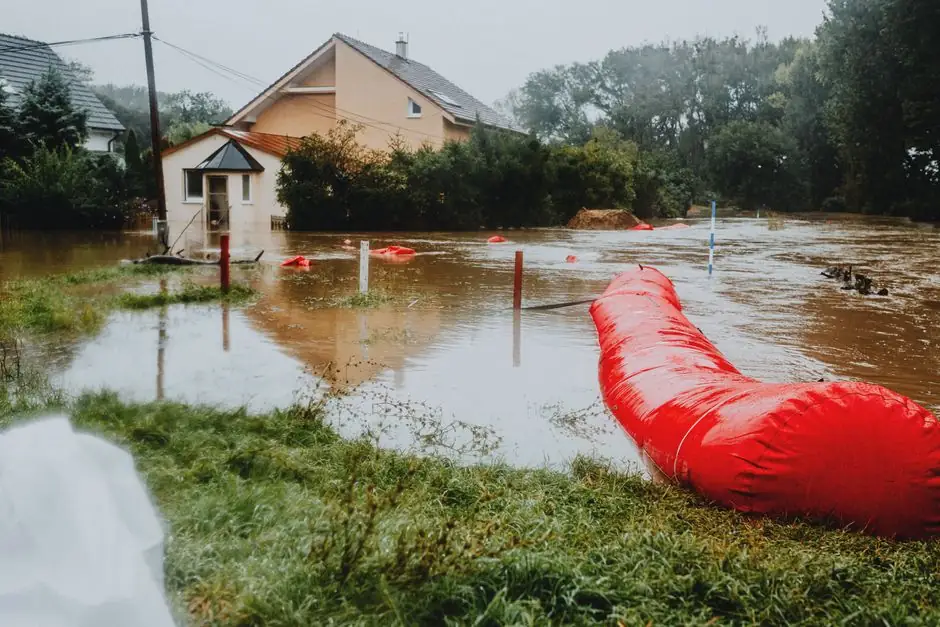
Your sump pump is running constantly because water keeps entering the pit faster than the pump can clear it, or because a mechanical fault - a stuck float switch, a failed check valve, a clogged pit - is telling the pump to cycle even when the pit is dry. In Grand Rapids, the most common culprit is a high water table that stays elevated for weeks after a wet fall or spring. This post walks through the mechanical and environmental causes we see every week, how to diagnose each one, and when it's time to call us.
The short answer: why your sump pump won't stop running in Grand Rapids
A sump pump running constantly in Grand Rapids is a symptom, not a diagnosis. The pump itself is almost never the problem - it's doing exactly what it was built to do. The question is whether it's responding to real water or to a false signal.
If you pull the lid and see water actively flowing into the pit, the pump is working correctly and the water table or a drainage issue is the cause. If the pit is dry or nearly dry and the pump still cycles every few minutes, you have a mechanical fault. That distinction saves you money because it tells you whether to look at the pump or at the ground around your foundation.
We've been called to homes in Eastown, Heritage Hill, and the West Side where the pump ran every 90 seconds for three days straight. In about half of those calls, the fix was a $40 float switch. The other half needed drainage work. Knowing which one you're dealing with starts with a five-minute observation.
Grand Rapids' water table and soil make constant running normal - to a point
Grand Rapids sits on glacial till and clay-heavy soils that drain slowly, and the Grand River keeps the regional water table high through most of the year. After a wet October - like the one we just had - the water table in low-lying neighborhoods can stay within a foot or two of basement floor level for six to eight weeks.
That means a pump running every 5 to 15 minutes during a wet fall is normal. A pump running every 30 seconds is not. The difference is volume: normal cycling clears a few gallons at a time, while constant running means groundwater is entering the pit as fast as the pump can move it.
Homes in Sump Pump Repair in Eastown and the surrounding blocks often have this problem because the neighborhood sits on a shallow aquifer and many basements were dug before modern drainage codes. If your pump ran fine all summer and started cycling nonstop in late September, the water table is the likely cause - not a broken pump.
You can test this yourself. Mark the water level in the pit with a piece of tape, wait 10 minutes without running water in the house, and check again. If the level rose, groundwater is entering. If it stayed flat and the pump still ran, the problem is mechanical.
Mechanical causes: stuck float, bad check valve, clogged pit
Three mechanical failures account for most sump pump continuous running Grand Rapids Michigan homeowners report. Each has a distinct symptom, and each is fixable in under an hour by a technician with the right parts on the truck.
Stuck or misadjusted float switch
The float switch is the most common failure point on any sump pump. It's a small plastic or tethered float that rises with the water and triggers the motor. Debris, hard water scale, or a float that's been jammed against the pit wall will keep the switch closed, and the pump runs until it overheats or you unplug it.
If your pump runs with a dry pit, this is almost always the cause. A Sump Pump Float Switch Repair Grand Rapids MI typically runs $150 to $280 in 2026, including the part and the service call. We test the new switch through three full cycles before we leave.
Failed check valve
The check valve sits on the discharge line and stops water from flowing back into the pit after the pump shuts off. When it fails, every gallon the pump just pushed out drains right back in. The pump restarts, pushes the same water out, and the cycle repeats every 20 to 60 seconds.
You'll hear the pump short-cycle - a quick on-off-on pattern rather than a full run. A Sump Pump Check Valve Repair Grand Rapids MI is one of the cheapest fixes on the list, usually $120 to $220, and it solves the problem immediately.
Clogged pit or discharge line
Silt, gravel, and small debris collect in the pit over time and can block the intake screen or the discharge line itself. A partially blocked line makes the pump work harder and run longer to move the same volume. If your pump sounds labored and runs 3 to 5 minutes per cycle instead of 30 seconds, a Sump Pump Cleaning Grand Rapids MI will usually restore normal performance.
Why does my sump pump run constantly after rain in Grand Rapids?
After a heavy rain, the ground around your foundation is saturated and every subsequent drizzle pushes more water toward the pit. A pump that runs every 2 to 5 minutes for 24 to 48 hours after a storm is doing its job. A pump that runs every 30 seconds for three days after the rain stopped is telling you the water has nowhere else to go.
That usually points to one of three things: a failed check valve recycling the same water, a discharge line that's frozen or blocked and dumping water back at the foundation, or a grading problem that sends roof and surface water toward the house instead of away from it.
We see the discharge-line problem most often in Sump Pump Repair in Heritage Hill, where century-old homes often have discharge lines that terminate too close to the foundation. Moving the outlet 10 to 15 feet away from the house - and making sure it drains downhill - solves the problem for a fraction of what a new pump costs.
Is it normal for a sump pump to run constantly in Grand Rapids Michigan?
No. A sump pump that runs continuously - meaning it never fully shuts off between cycles - is not normal, even in Grand Rapids. What is normal is seasonal cycling: every 5 to 15 minutes during a wet fall or spring, and once every few hours during a dry summer.
If your pump runs nonstop for more than 30 minutes, shut it off at the breaker and let it cool. Sump pump motors are not designed for continuous duty, and a pump that runs for hours will overheat, seize, or burn out the windings. A replacement costs $400 to $900 installed in 2026, versus $150 to $280 for a float switch repair. Catching it early saves real money.
If you're not sure whether your pump is cycling normally or running constantly, time it. Set a timer for 10 minutes and count the cycles. More than 10 cycles in 10 minutes means something is wrong.
How to stop your sump pump from running constantly in Grand Rapids
Here's the order we work in when we get a call about a sump pump that won't stop running Grand Rapids MI. You can do the first three steps yourself in about 15 minutes.
- Unplug the pump and check the pit. If it's dry, the problem is the float switch or the check valve. If it's full, the problem is water volume.
- Lift the float by hand. If the pump doesn't start when you lift it, or doesn't stop when you lower it, the switch is bad.
- Check the discharge outlet outside. Make sure water is actually leaving the house and not pooling at the foundation.
- Listen for short-cycling. A quick on-off-on pattern points to a failed check valve.
- Look for debris in the pit. Silt and gravel around the intake screen will make the pump run longer than it should.
If steps 1 through 5 don't explain it, the issue is likely groundwater volume, and that's a drainage problem rather than a pump problem. We handle that with Basement Drainage Solutions Grand Rapids MI - interior drains, grading corrections, and discharge routing that moves water away from the foundation instead of into the pit.
Common mistakes Grand Rapids homeowners make
The single biggest mistake is ignoring a pump that runs constantly until it fails during the next storm. Sump pumps don't fail gradually - they fail at the worst possible moment, usually at 2 a.m. during a heavy rain when the pit is filling fastest.
Other mistakes we see regularly:
- Replacing the pump when the switch is the problem. A $180 float switch repair solves what a $700 pump replacement won't.
- Discharging into the sanitary sewer. That's illegal in most Grand Rapids jurisdictions and can back up into your own basement.
- Skipping annual maintenance. A Sump Pump Maintenance Grand Rapids MI visit each fall catches float and valve problems before the wet season.
- Ignoring the backup pump. If your primary pump runs constantly, the backup is doing double duty and will fail sooner.
When to call a professional
Call us when the pump runs nonstop for more than 30 minutes, when you hear grinding or rattling from the motor, when the pit is dry but the pump still cycles, or when you've replaced the float switch and the problem continues. Those are the four situations where a diagnostic visit saves you from a flooded basement.
We're The Sump Pump Experts, and we work on every pump type - submersible, pedestal, cast iron, and stainless steel. We carry float switches, check valves, and discharge fittings on every truck, so most repairs are done in a single visit. If you want a full picture of what we do across the city, start with Sump Pump Repair Grand Rapids MI.
Frequently Asked Questions
Why does my sump pump run constantly in Grand Rapids MI?
The two most common causes are a stuck float switch (pump runs with a dry pit) and a high water table (pump runs with a full pit). A failed check valve is the third - it recycles the same water every 20 to 60 seconds.
How do I stop my sump pump from running constantly in Grand Rapids?
Unplug the pump, check whether the pit is dry or full, and test the float by hand. If the pit is dry and the pump still runs, replace the float switch. If the pit is full, the issue is groundwater volume and needs drainage work.
Is it normal for a sump pump to run constantly in Grand Rapids Michigan?
No. Normal cycling in Grand Rapids is every 5 to 15 minutes during a wet fall or spring. Continuous running for more than 30 minutes means the motor is at risk of overheating and should be shut off at the breaker.
What causes a sump pump to run constantly in Grand Rapids MI?
Four causes cover 90% of calls: a stuck float switch, a failed check valve, a clogged pit or discharge line, and a water table that stays high for weeks after rain. The first three are mechanical; the fourth is environmental.
Can a sump pump run too much and burn out?
Yes. Most residential sump pump motors are rated for intermittent duty, not continuous running. A pump that runs nonstop for several hours can overheat, seize, or burn out its windings, turning a $180 repair into a $700 replacement.
Get help with Sump Pump Repair in Grand Rapids
If your sump pump is running constantly and you've ruled out the easy fixes, we can diagnose it in a single visit and have it cycling normally before we leave. Call The Sump Pump Experts at +1 (616) 616-8292 and we'll get you on the schedule.